Custom flexible packaging projects begin with the product, how it will be filled, and how the finished pack must be stored, shipped and presented. The right format and film structure depend on those requirements—not on a single pouch style.
The current product range includes stand-up, flat-bottom, spout, three-side-seal, side-gusset and specialty-shaped pouches, together with automatic packaging film for rollstock applications. Each format has different considerations for filling, sealing, display and handling. Buyers can also browse Stand Up Pouches, Food Storage Bags and Baby Care Packaging Bags for product-specific collections.
For buyers comparing a custom packaging manufacturer, a useful project brief covers dimensions, material and barrier needs, print artwork, closure, filling equipment, order volume and target market. OEM and ODM discussions can start from either a finalized specification or an initial packaging brief.
Custom flexible packaging is a project-specific pouch, bag or film format selected around the product, filling method, storage, distribution and presentation requirements. The specification can include dimensions, film structure, printing, closure and pack configuration.
The current product range includes stand-up, flat-bottom, spout, three-side-seal, side-gusset and specialty-shaped pouches. Automatic packaging film is also listed for rollstock applications. The suitable format depends on the product and filling process.
Custom printing requirements can be discussed as part of the project brief. Provide the artwork or design files, dieline if available, colour references, print panels, required text and order quantity. The available print process, proofing method and setup charges must be confirmed for the specific job.
For an OEM project, the buyer generally supplies a defined specification, artwork or dieline for production to an agreed standard. For an ODM project, the buyer may start with a product brief and discuss format or structure options before the specification is finalized. The actual design and development scope should be agreed in writing.
Share the product type, fill weight or volume, target dimensions, preferred pouch format, material or barrier needs, artwork, closure, filling and sealing method, estimated quantity, number of SKUs, destination market and target timing.
Compare the proposed polymer layers, sealant layer, thickness, product-contact conditions, technical data and relevant market documentation. Also review sample testing, print approval, quality records and the supplier’s ability to meet the project specification.
Start with the product’s sensitivity to oxygen, moisture, light, aroma, grease and handling. Then consider storage conditions, required shelf life, filling process and distribution. Ask for the proposed structure and test data relevant to the finished pack; do not select a barrier solely by a generic material name.
Print-process availability depends on the job, artwork, format, order quantity and production requirements. Ask which process is proposed and compare setup or plate charges, colour approval, revision flexibility, run length and schedule before confirming the order.
The main variables include pouch format, dimensions, material structure, print process, number of colours, functional features, number of SKUs, tooling or plate requirements, sample approval and order quantity. Request a project-specific quotation rather than relying on generic market minimums.
Confirm the final specification, material structure, artwork proof, sample standard, relevant test reports or declarations, inspection criteria, packing details and delivery terms. Food-contact, performance and environmental documents should match the exact material, SKU, intended use and destination market.
Pouch Formats
Custom Printing
OEM / ODM
Rollstock Options
Who We Serve
Project requirements vary by brand, route to market, filling process and purchasing model.
Brand Owners & Private-Label Teams
Retail brands, emerging product teams and private-label buyers planning a new pack or revising an existing format.
Packaging brief & artwork — define the product, pack dimensions, brand artwork, print surfaces and intended presentation.
Format selection — compare pouch structures against fill weight, shelf display, opening and storage needs.
Material requirements — identify product-contact conditions, barrier needs and target-market documentation.
Sample approval — check fit, filling, sealing, closure and print expectations before confirming the production specification.
Importers, Distributors & OEM/ODM Partners
Procurement teams coordinating multiple SKUs, product lines, destination markets or ongoing supply programs.
Multi-format sourcing — discuss pouch and rollstock formats for different products within one purchasing brief.
Order planning — share forecast quantities, SKU mix, destination and target delivery windows for review.
OEM / ODM model — clarify whether the project starts from an approved design or needs format and specification discussion.
Solutions by Application
Compare pouch construction against product type, filling method, shelf presentation, storage and distribution requirements.
Stand-Up Pouches
Format selection starts with the application.
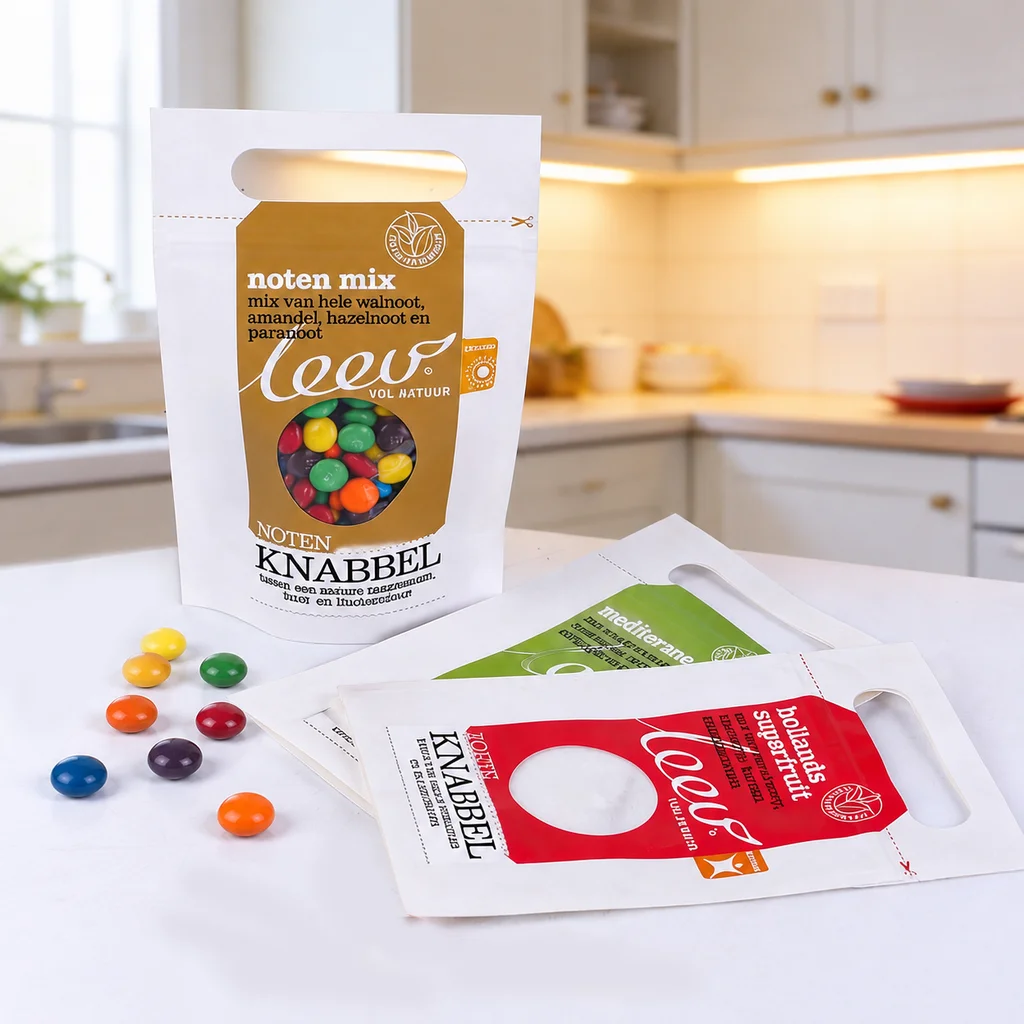
A stand-up format is often considered when shelf display, pack access and a stable retail presentation matter. Confirm the base, dimensions, closure and filling process for the product.
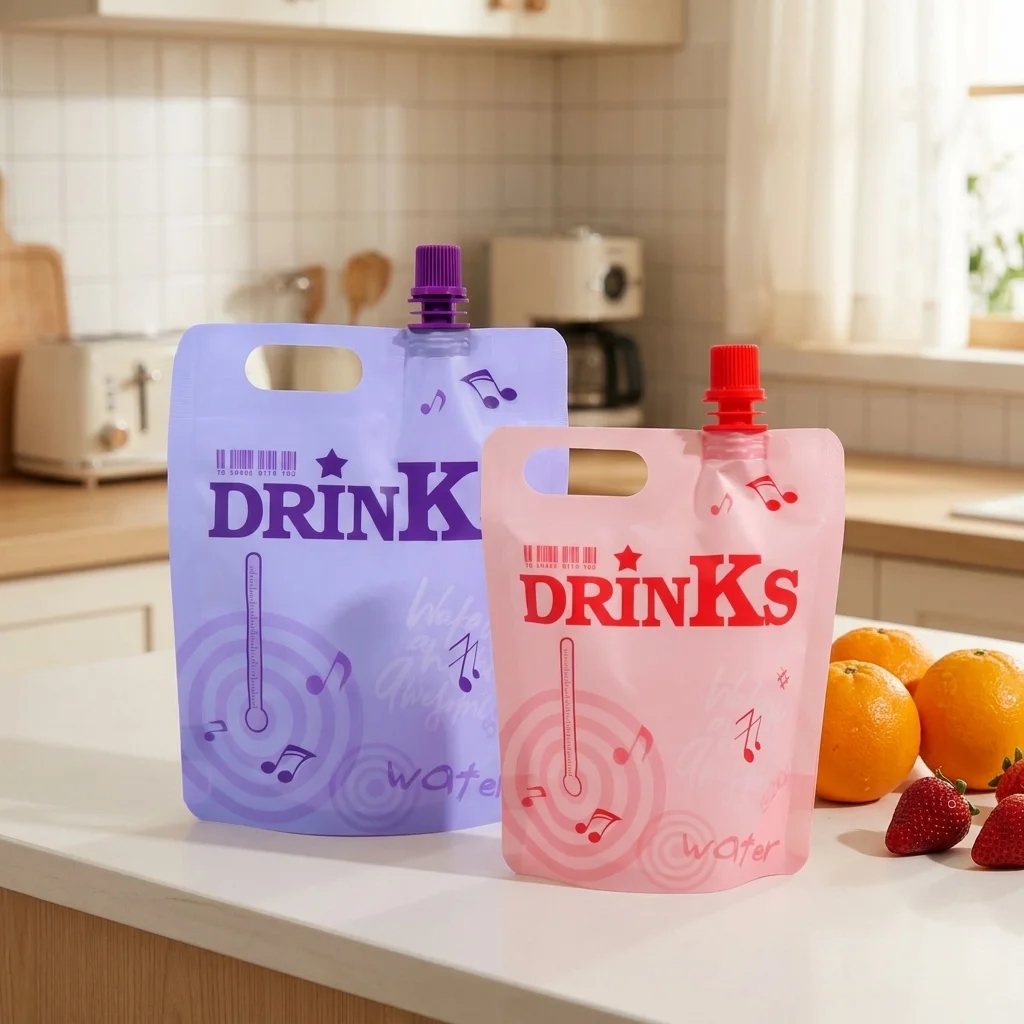
Spout formats are considered for products that need controlled dispensing. Spout position, fitment size, cap, filling method and seal integrity should be checked together.
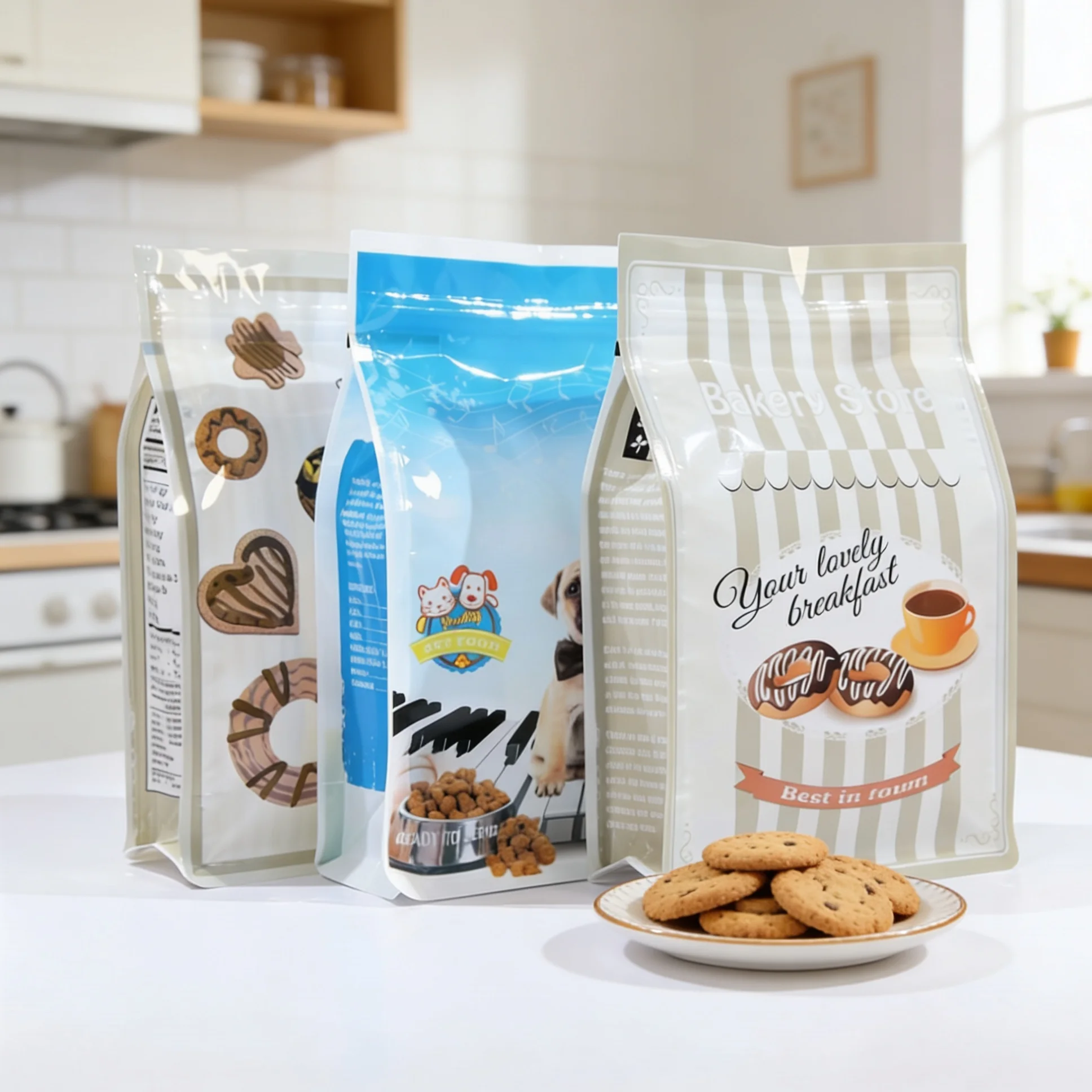
A flat-bottom structure may suit projects that need a stable base and multiple printable panels. Confirm pack weight, dimensions, gusset construction and artwork boundaries.
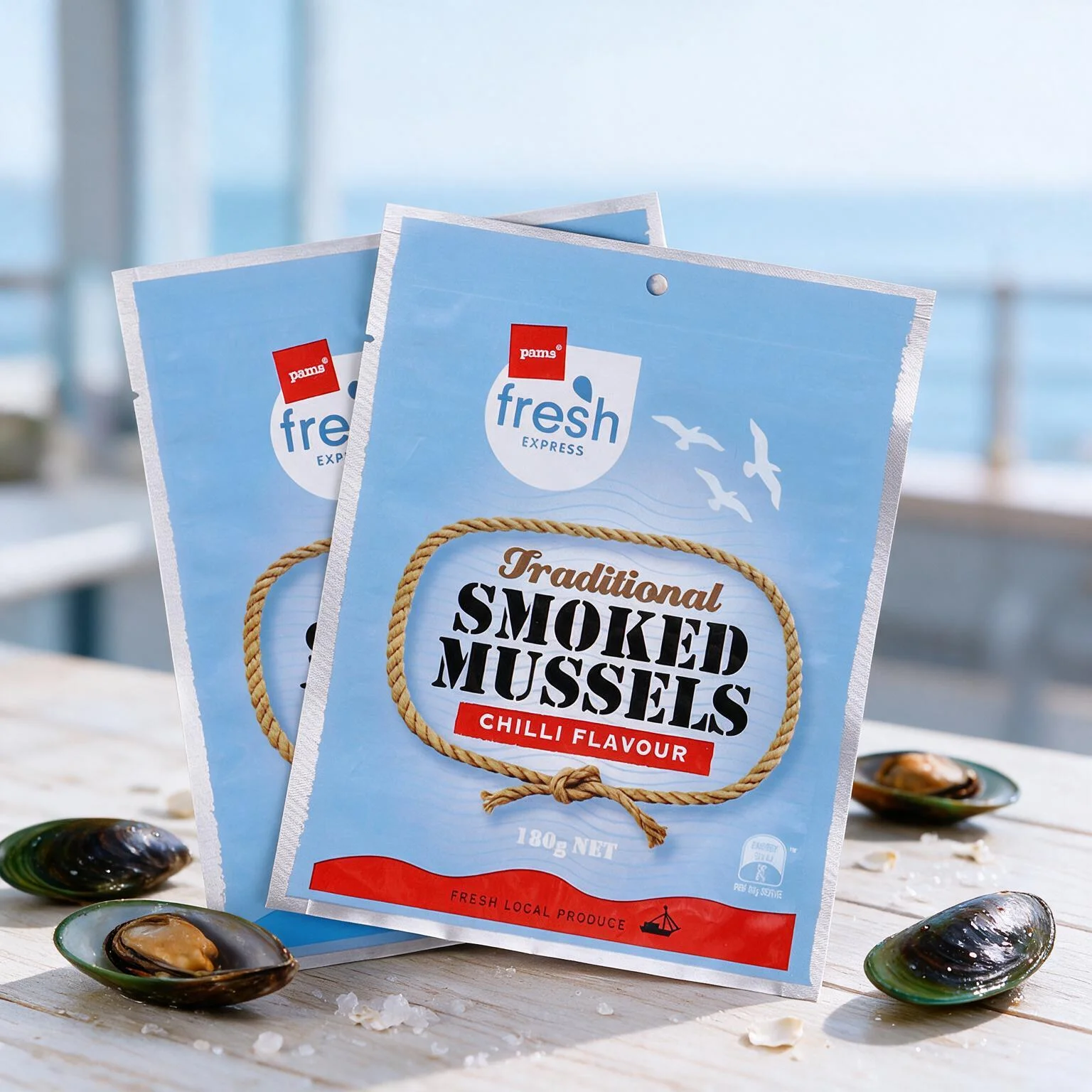
Three-side-seal formats are commonly used for compact or portion packs. Review fill volume, seal width, opening method and whether the pack will be filled manually or on equipment.
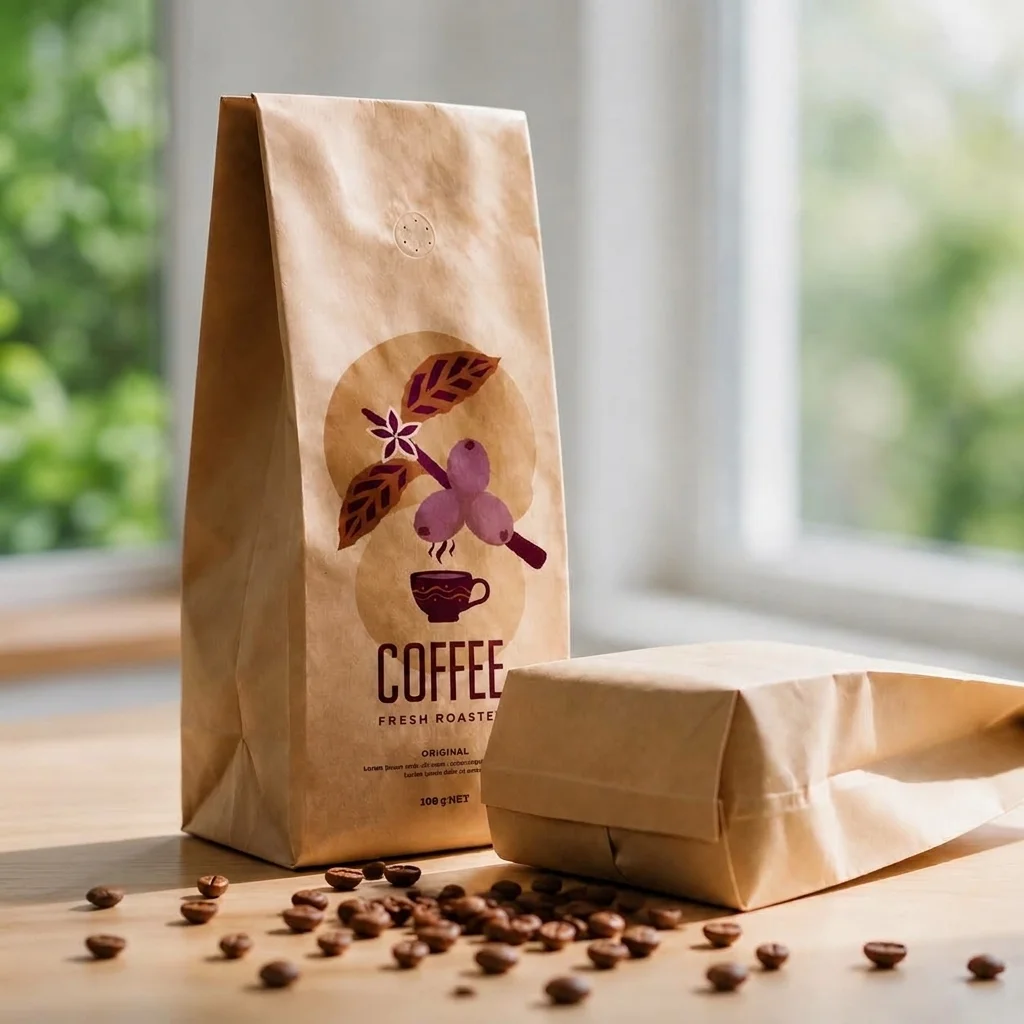
Side gussets can provide additional pack volume for selected products. Specify target fill weight, filled dimensions, storage orientation and required closure before selecting a structure.
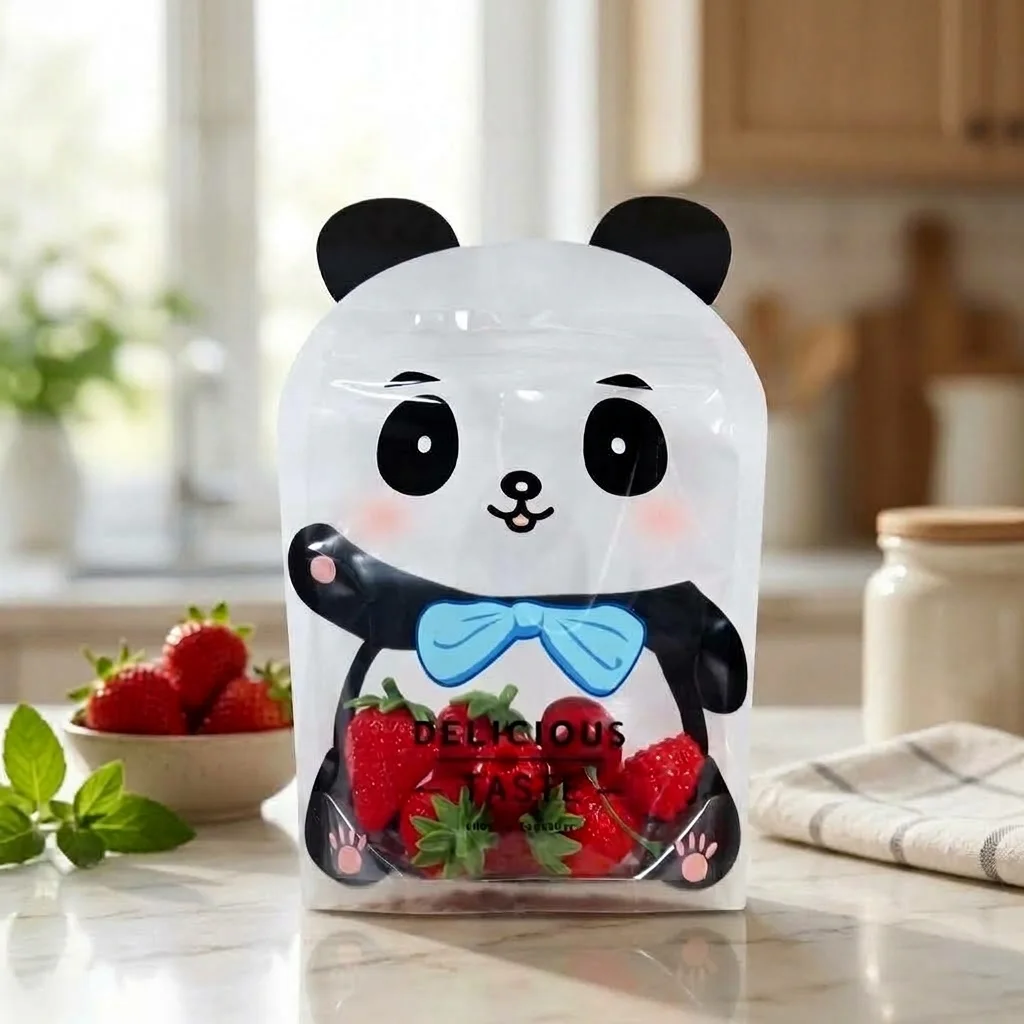
A non-standard pouch outline may support a distinct pack concept. Confirm the shape, sealing perimeter, filling access, tooling implications and sample approval requirements.
Custom Printed Flexible Packaging: What to Specify
A clear packaging brief connects the pouch format, material structure, print requirements and filling process before a quotation or sample is approved.
Product & Pack Requirements
Start with the product, fill weight or volume, pack dimensions, product-contact conditions, storage environment and distribution route. Include whether the pack is for retail display, e-commerce shipment, foodservice or another use.
Pouch Format & Dimensions
Compare stand-up, flat-bottom, spout, three-side-seal, side-gusset and specialty-shaped formats. Confirm filled dimensions, gusset/base design, opening position and usable volume against the product and packing process.
Film Structure & Barrier Needs
Identify sensitivity to oxygen, moisture, light, aroma, grease or handling damage. Request the proposed layer structure, thickness and relevant technical data; OTR/WVTR or other tests should match the product and stated conditions.
Custom Printed Flexible Packaging
Prepare the artwork, dieline, printable-panel layout, colour references, required text and finish preferences. Confirm which print process is available for the project, proofing steps, colour approval, setup or plate charges and artwork revision limits.
Custom Printed Packaging Bags & Features
Specify zipper, spout, window, tear notch, valve, hang hole or other features only where relevant. Check each feature against the pouch structure, filling access, sealing area, product use and actual SKU availability.
Custom Plastic Packaging Structure
For plastic-film projects, confirm polymer layers, sealant layer, thickness, product-contact conditions, storage temperature and destination-market requirements. Do not assume that one film structure is suitable for every product or compliance claim.
Filling, Sealing & Rollstock
Tell the supplier whether packs are filled manually or on an automatic line. For rollstock, provide machine type, web width, repeat length, registration and sealing requirements; test the material on the intended equipment before approval.
Quantity, Samples & Project Timing
Share the estimated order quantity, number of SKUs, sample needs, target launch date and destination. MOQ, sample availability, print setup, tooling and lead time depend on the final format and specification and should be quoted for the project.
Private Label | OEM Manufacturing
From Market Insight to Packaging Solutions
OEM Packaging Manufacturer Projects
An OEM-style brief usually starts with the buyer’s approved dimensions, structure, dieline, artwork and acceptance criteria. Confirm the manufacturing specification, tolerances, packing method and inspection requirements before a production order.
ODM Packaging Manufacturer Projects
An ODM-style brief may start with a product concept and intended use rather than a finished pouch specification. Discuss the possible format and material direction, then confirm whether design, prototyping, tooling and sample development are included in the agreed scope.
Artwork, Dieline & Print Approval
Agree on artwork files, print panels, colour references, mandatory text, proofing and approval responsibility. Confirm any plate, cylinder, tooling or revision charges before the print job is released.
Samples & Specification Sign-Off
Use samples to check dimensions, filling access, sealing, closure operation, print appearance and handling. Approve the final written specification and sample standard before bulk production.
How to Evaluate a Custom Packaging Manufacturer
Compare relevant format experience, specification control, sample process, quality documentation, communication and supply planning. Ask for evidence that applies to the materials and products in your project.
Bulk Supply & Multi-SKU Planning
Confirm order quantities by SKU, production sequence, packaging and pallet requirements, delivery destination, release checks and forecast cadence. Commercial terms and lead times need project-specific confirmation.
Tell us more so we can connect you with the right person for your request. Threestone respects your privacy and will only use your personal data to respond to your inquiry.
Prefer to talk?
Our export team is online during Asia and EU business hours-message us directly for the fastest answer.