Reusable Baby Food Pouch
Make mealtime and snacktime a breeze for babies, toddlers, and big kids. Turn foods and drinks into easy, eco-friendly snacks on the go. Give your baby a health start, and give yourself a break.
Applications
Complementary Food
Snack
Beverage

Food Grade Material
Freezer Safe
Hygiene & Reusable

Store On-The-Go

Strong & Leak Proof
Markets We Serve
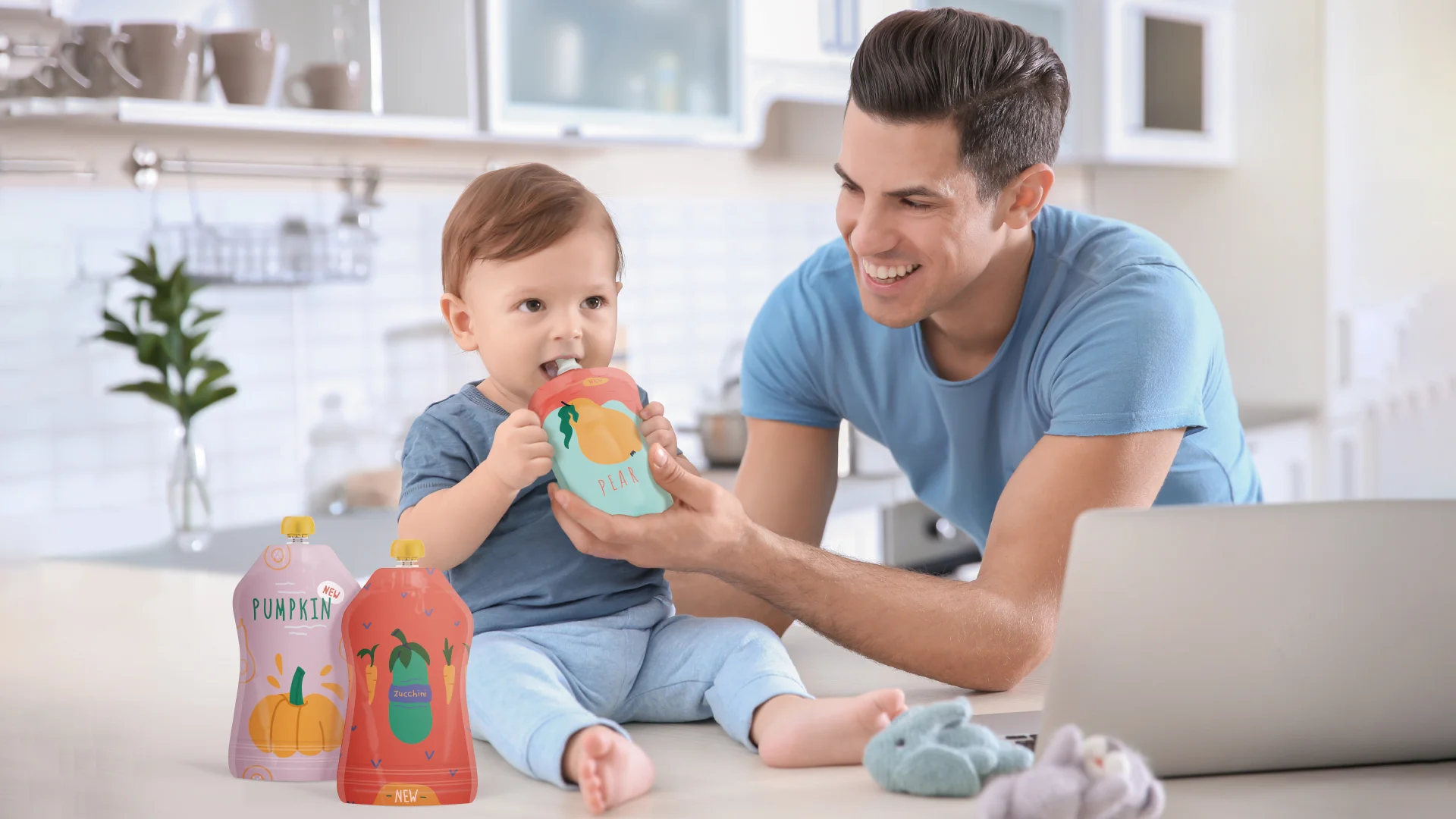
Household Use
At home, reusable baby food pouches serve as a practical everyday feeding solution for busy parents.
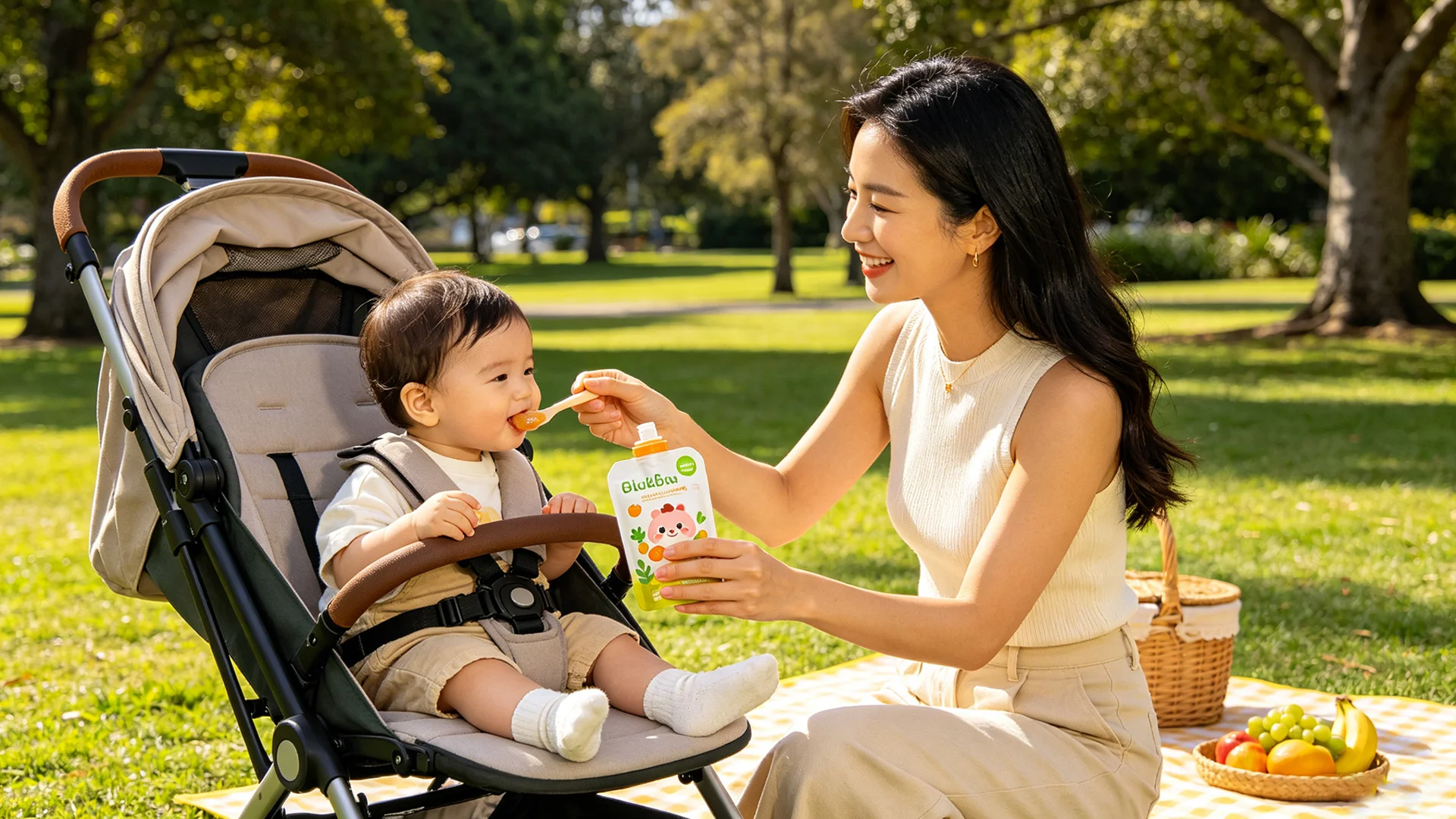
Out door
Whether it's a family picnic, a day at the park, or a trip, reusable baby food pouches offer unmatched portability and convenience.
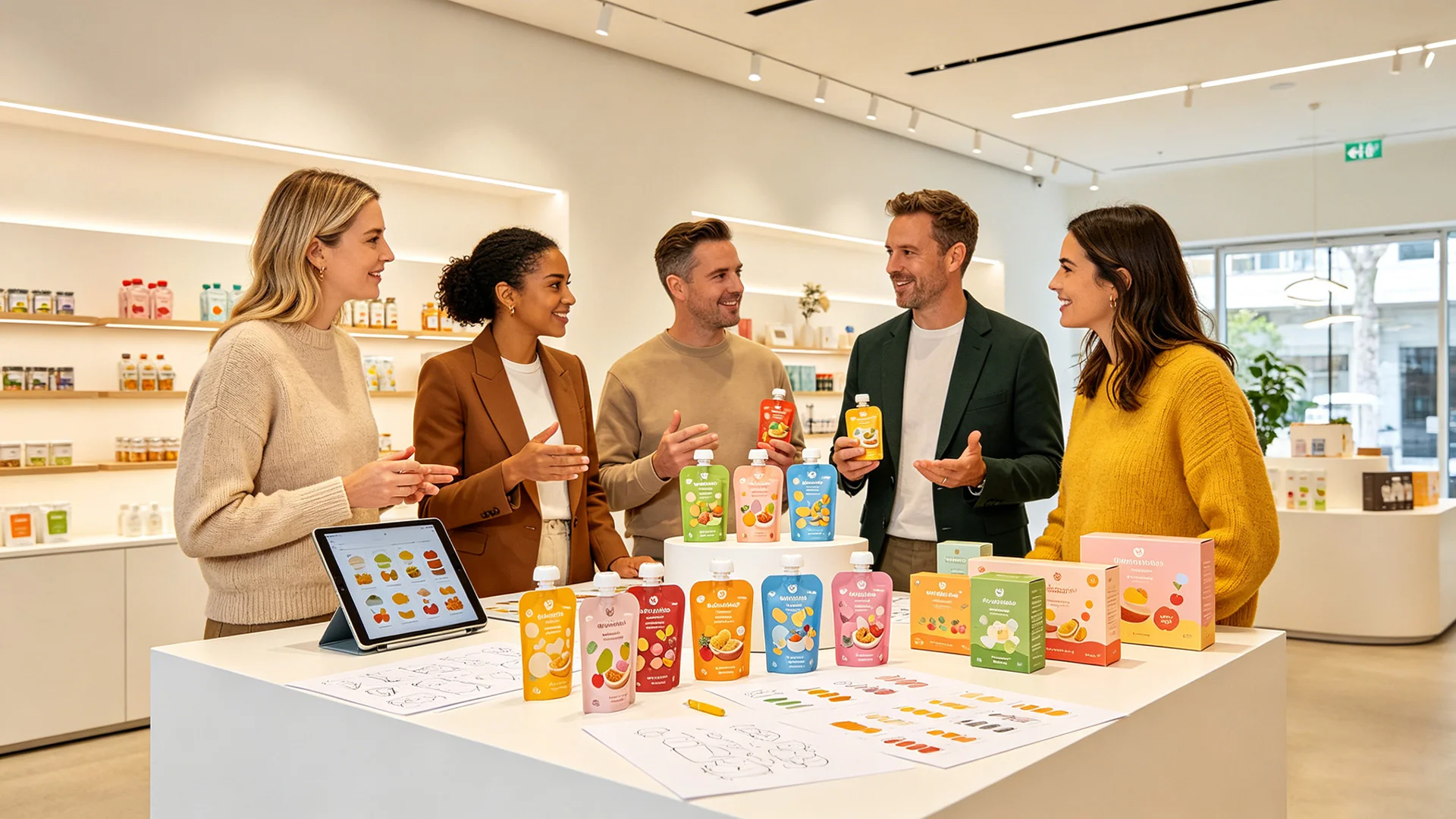
Baby Food Industry
Reusable baby food pouches serve as a versatile packaging and portioning solution
Refillable Pouch Design & Filling Access
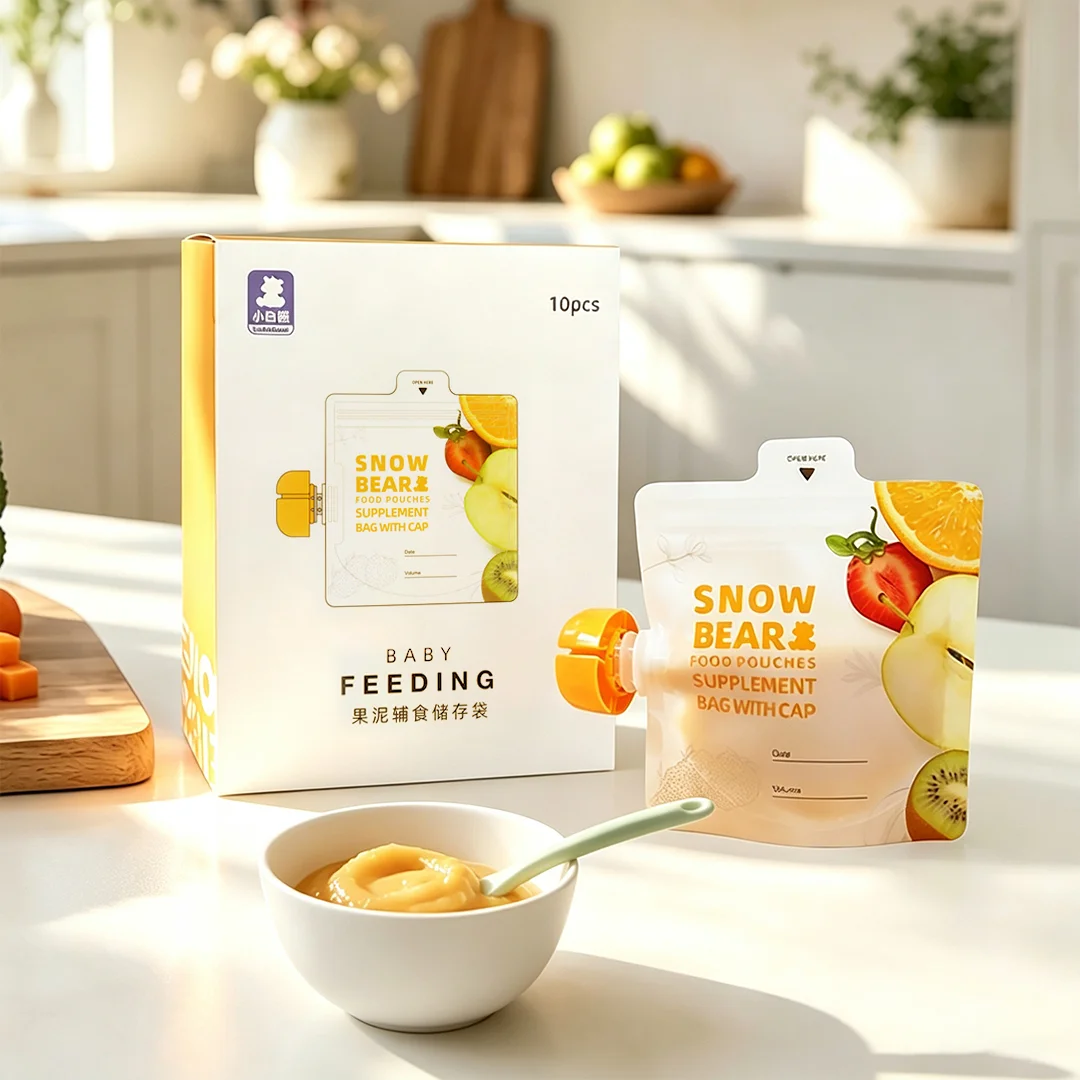
A refillable baby food pouch must be practical to fill, close and clean. The filling opening, pouch shape, dispensing spout and closure arrangement are checked on the actual sample. A double-zip opening and a spout have different jobs: one may support filling and closing, while the other controls dispensing. The final structure and whether a filling tool is required are confirmed before committing to artwork or pack dimensions.
Choose Capacity for the Food and Serving Size
Start with the intended portion, the consistency of the food and the headspace the pouch needs for closing. Smooth purées, thicker mashed foods and drinkable snacks can behave differently when squeezed through a spout. The fill line, usable volume and outer dimensions matter more than the nominal capacity as a guaranteed fill level. Which of the listed 120–250 mL formats applies to your project should be confirmed.
Consider Spout, Cap and Closure Safety
The spout bore, cap attachment, closure opening and pouch seams are checked for the intended age group and supervision requirements. Leakage, cap retention and any anti-choking feature need suitable design evidence and testing; these claims cannot be confirmed by a picture. If your project requires a particular child-safety or food-contact standard, documents that identify the finished design and the applicable market are needed.
Assess Cleaning and Reuse Requirements
Before a reusable format is approved, how the pouch opens for cleaning, which cleaning methods the material allows, and whether hard-to-reach areas exist around the spout and seals all need confirming. A pouch described as reusable does not establish a specific number of safe reuse cycles. Written cleaning instructions, durability data and sample checks after repeated filling and washing support that claim.
Verify Film, Freezer and Food-Contact Claims
Film structure, nominal thickness and seals form a single specification. The listed PA/PE and 150-micron values must be confirmed for each SKU, and thickness alone does not prove leak resistance. Freezer use, heating limits and BPA-/phthalate-free or FDA/EU food-contact statements need documents for the finished item and its intended conditions. All baby food pouches should not be treated as having identical performance.
Plan Custom Printing & Private-Label Packs
For custom baby food pouches, prepare the pack dimensions, portion size, artwork, color requirements, retail pack count and destination market. Private-label projects may also need cap colors, labeling space, batch identification and carton details. Which configurations and print methods are available for this specific product must be confirmed; the general listing is not proof that every bespoke request can be manufactured.
Prepare a Bulk Order and Sample Evaluation
To compare bulk baby food pouch quotations, specify quantities by size and artwork, the intended filling process, target market and required test documents. Closure operation, spout flow, printing proofs and any cleaning instructions are checked on physical samples before volume approval. MOQ, tooling, lead time, sample charges and freight arrangements must be confirmed for each order.
For other feeding and care formats, explore Baby Care Packaging Bags and Baby Care Packaging Solutions. Spouted Milk Storage Bags are a different product type; do not substitute milk-specific storage claims for baby food pouch specifications.
Share the filling food, desired pouch capacity, closure details, cleaning requirements, artwork, quantities by design and destination market so the appropriate specification and documentation can be evaluated.
Find Your Product
Tell us more so we can connect you with the right person for your request. Threestone respects your privacy and will only use your personal data to respond to your inquiry.