Are Resealable Pouches for Food Suitable for Hot-Fill, Frozen, and Dry Applications?
The right packaging can make or break product quality. This becomes especially true when foods require specific filling and storage conditions. High-heat processes, deep-freeze environments, and even everyday pantry staples each have their own set of challenges. Resealable pouches have become a popular choice for many food manufacturers. They offer convenience, product protection, and strong shelf appeal. But can resealable pouches for food stand up to the demands of hot-fill, frozen, and dry applications?
Why Choose Resealable Pouches for Food Packaging?
Before we dive into the filling applications of resealable pouches for food, let’s talk about why manufacturers choose this packaging type. Resealable pouches offer great consumer appeal. They’re lightweight, portable, and easy to open and close. Not to mention, they fit perfectly into today’s convenience-focused lifestyle.
They also offer great barrier protection and branding opportunities. Pouches can be engineered with customized barrier films to protect against moisture, oxygen, light, and contamination. This extends product freshness and shelf life. Additionally, they can be custom printed with premium graphics and eye-catching features that are sure to draw consumer attention.
Hot-Fill Applications
Hot-fill processes involve filling liquids or semi-liquids at high temperatures to ensure sterilization. In some cases, this type of filling application can distort films or weaken seals. That’s why it’s so important to opt for materials that can handle heat without compromising safety. Temperature-resistant laminates, along with zippers and closures, must be made to withstand elevated fill temperatures. A reputable flexible packaging manufacturer can help you determine what’s right for your business.
Frozen Food Applications
Food stored at low temperatures (frozen fruits, vegetables, meats, and ready meals) all require specialized resealable pouches. Low temperatures can cause material brittleness or delamination. This can be especially concerning as they must be able to maintain flexibility and integrity after repeated freezing and thawing cycles. That’s why many businesses choose to opt for cold-resistant films that remain pliable and durable. They’ll also choose materials with certain moisture and oxygen barriers to prevent freezer burn. Additionally, they’ll choose resealable features that will stay functional when frozen.
Dry Food Applications
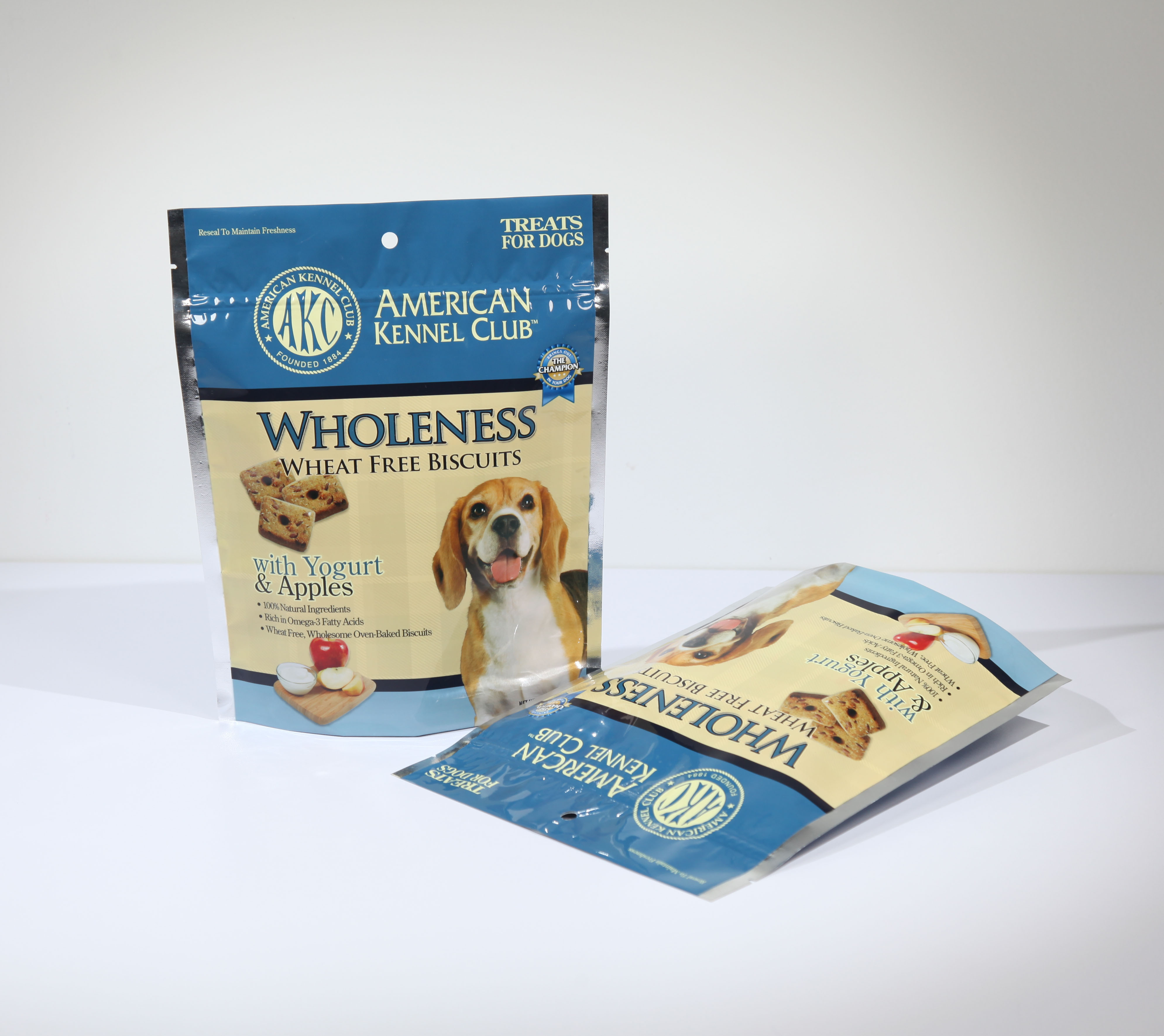
Resealable pouches for food are often used for dry products like snacks, nuts, coffee, cereals, powders, and pet treats. With dry foods, oxygen, moisture, and light exposure can degrade product freshness. Resealable features must be strong enough to preserve freshness in between uses. For dry applications, many businesses will choose high-barrier films for extended shelf life, along with optional clear windows, matte finishes, and more.